SEO vs SEM vs SMM: What’s the Difference? — if you’ve ever tried to grow your business online, you’ve probably heard these three buzzwords again and again.
They sound similar, but they actually work in very different ways to help your brand reach people, get traffic, and drive sales.
Many beginners get confused about which one to focus on first or how they work together.
In this article, you’ll discover in simple words what SEO, SEM, and SMM really mean, how each one helps your business grow, and how combining them smartly can make your digital marketing much more powerful.
Keep reading — the insights below will help you choose the right mix for your online success.
SEO vs SEM vs SMM: What’s the Difference?
If you’re building a business online, you’ve probably come across the terms SEO, SEM, and SMM.
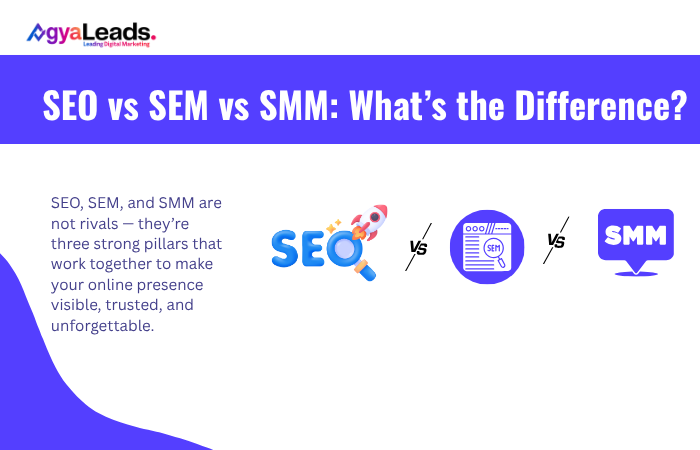
While they may sound similar, they serve different purposes and play unique roles in digital marketing.
Understanding the difference between these three can help you make better decisions for your marketing strategy and use your time and budget wisely.
Let’s break each one down in simple terms, explain how they work, and explore how you can use them effectively based on your goals.
What is SEO?
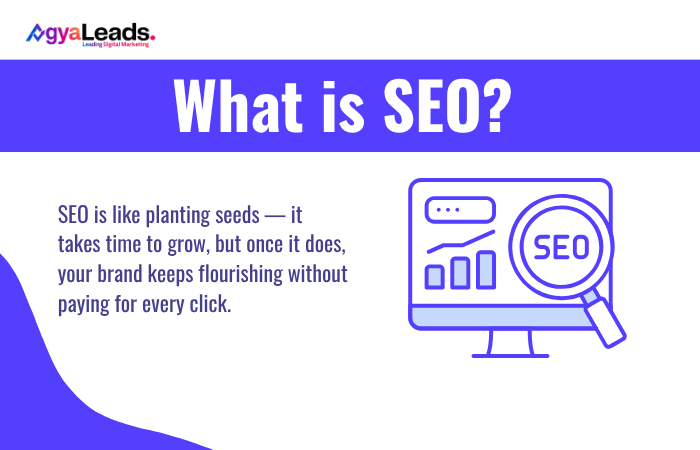
SEO stands for Search Engine Optimization. It’s all about improving your website so that it shows up in search engine results like Google, without paying for ads. When someone types a question or a keyword related to your business, SEO helps your website appear on that list.
Key Areas of SEO
Before diving into the details, it’s important to understand that SEO is not a one-time task. It’s a continuous process that focuses on improving three main areas.
On-Page SEO
This refers to the content and structure on your actual website pages.
- Use of relevant keywords in the content, titles, and meta descriptions
- Proper heading structure (H1, H2, H3…)
- Image optimization with alt text
- Internal linking to other pages within your site
Example: If you run a bakery in Jaipur, writing a blog post about “best birthday cakes in Jaipur” using that exact phrase can help your page appear when someone searches for it.
Off-Page SEO
This focuses on how other websites interact with yours.
- Backlinks (other websites linking to yours)
- Brand mentions
- Shares of your content on social media
Example: If a popular food blogger writes about your bakery and links to your site, that backlink tells search engines your site is trustworthy.
Technical SEO
This improves how search engines crawl and index your website.
- Fast loading speed
- Mobile-friendly design
- Secure connection (HTTPS)
- Proper site structure and sitemap
SEO is great for long-term growth. It brings consistent traffic, builds trust, and costs nothing per click. However, it takes time to see results—usually several months.
What is SEM?
SEM stands for Search Engine Marketing. It usually refers to paid advertising on search engines. While SEO is organic, SEM helps your ads appear at the top of search results instantly, often above the organic listings.
How SEM Works
Before running an SEM campaign, you choose keywords that your audience might search for. Then you create ads and bid for those keywords. Your ad will show up when someone searches for them.
Example: If you sell online courses, you might bid on the keyword “best digital marketing course.” When someone types that into Google, your ad appears at the top, and you pay only when they click it (this is called PPC—pay-per-click).
Benefits of SEM
- Immediate results: Unlike SEO, you don’t have to wait. As soon as your campaign is live, your ad can show up.
- Precise targeting: You can choose who sees your ad based on location, age, device, or even time of day.
- Measurable performance: You can track clicks, impressions, and conversions in real-time.
- Great for testing: You can test which keywords or offers perform best and later use them in SEO or SMM.
Challenges of SEM
- It costs money: If you stop paying, your ads disappear and traffic stops.
- Click fraud: Sometimes bots or competitors may click your ad to waste your budget.
- Higher competition means higher cost: Popular keywords can be expensive.
SEM is ideal if you need quick traffic, are running a limited-time promotion, or want to test the market fast.
What is SMM?
SMM stands for Social Media Marketing. It involves using platforms like Facebook, Instagram, Twitter, LinkedIn, and TikTok to connect with your audience, promote your brand, and drive traffic or sales.
SMM includes both organic content (free posts, stories, reels) and paid advertising (sponsored posts, display ads).
Why SMM Matters
Social media is where your audience hangs out. Whether they are looking for entertainment, information, or shopping ideas, people spend hours on these platforms daily. As a brand, showing up there means staying relevant.
Key Elements of SMM
Organic Social Media Marketing
- Regular posting of valuable content
- Engaging with followers through comments, polls, stories
- Building a community and trust
Example: A fitness trainer sharing workout tips daily builds a loyal audience that may later sign up for their paid classes.
Paid Social Media Ads
- Boosting posts to reach more people
- Targeting specific demographics based on interests and behavior
- Retargeting visitors who interacted with your site before
Example: If someone visits your website but doesn’t make a purchase, you can show them a personalized ad on Instagram to remind them about your product.
Pros of SMM
- Builds brand awareness and customer loyalty
- Allows for real-time feedback and engagement
- Visual content (photos, videos, reels) increases trust and connection
Limitations of SMM
- Organic reach is declining—paid ads are becoming essential
- Requires constant content creation
- Takes time to build a community
SMM is powerful for brand storytelling, customer interaction, and reaching people based on their interests—not just search behavior.
SEO vs SEM vs SMM: Side-by-Side Comparison
To make it clearer, here’s a table showing how they differ:
| Feature | SEO | SEM | SMM |
|---|---|---|---|
| Traffic Type | Organic search | Paid search | Social media (organic & paid) |
| Speed | Slow but steady | Immediate | Medium |
| Cost Model | Free per click (but time-based) | Pay-per-click (PPC) | Free or paid depending on choice |
| Lifespan | Long-term | Ends when budget ends | Ongoing, based on content |
| Targeting | Keywords + intent | Keywords + targeting options | Demographics + behavior |
| Best Use | Authority + long-term traffic | Promotions + fast visibility | Branding + engagement |
| Tools Needed | Google Search Console, Auto suggest etc. | Google Ads | Facebook Ads Manager, Canva |
How They Work Together?
While these three marketing types are different, they work best when used together. Here’s how you can combine them:
- Use SEM for quick traffic and product testing while building SEO for long-term stability.
- Promote your SEO blogs on social media to increase reach and backlinks.
- Share user feedback or reviews from social media on your website to boost credibility.
- Use data from social and SEM to identify high-converting keywords for SEO content.
Example: A real estate business might run Google Ads (SEM) to attract homebuyers, use SEO to publish helpful guides like “how to get a home loan,” and post property tours on Instagram (SMM) to build trust.
When to Use SEO, SEM, or SMM?
Here’s when each method makes sense depending on your goals:
- New business or startup: Use SEM for immediate traffic while working on SEO and setting up your social presence.
- E-commerce site with offers: Use SEM for product ads, SEO for category pages, and SMM to run flash sale promotions.
- Local service provider (plumber, clinic, salon): Focus on SEO for local search (Google Maps), run SEM for service keywords, and share reviews/offers on social media.
- Educational business: Create informative blog content (SEO), run search ads for course-related queries (SEM), and post testimonials or student success stories on social media (SMM).
Tips to Succeed with SEO, SEM, and SMM
To get the most out of your digital marketing efforts, here are some best practices:
- Always start with audience research: Know who your audience is, what they search, and where they hang out.
- Create high-quality content: Whether it’s a blog, ad, or social post, make it valuable, clear, and focused.
- Monitor performance: Use tools like Google Analytics, Meta Ads Manager, or SEMrush to track what’s working.
- Be consistent: SEO takes time, SMM needs frequent posting, and SEM needs regular optimization.
- Focus on mobile-first experience: Most users browse on phones, so ensure your website and ads are mobile-friendly.
- Don’t rely on one method: A mix gives you better coverage, data insights, and results.
Conclusion
To sum it up, SEO, SEM, and SMM are three essential tools in digital marketing, each serving a unique purpose:
- SEO is your long-term investment in organic growth and authority.
- SEM helps you reach your audience instantly through paid search ads.
- SMM builds relationships, increases brand visibility, and drives traffic through social platforms.
The best approach is not choosing just one, but using all three strategically based on your business goals, timeline, and resources.
By understanding the difference between SEO vs SEM vs SMM and learning how they complement each other, you can create a smarter, more effective marketing strategy that brings lasting results.
FAQs
What is the main difference between SEO, SEM, and SMM?
The main difference is in how they attract online traffic. SEO builds organic traffic through optimized content, SEM uses paid ads for instant visibility on search engines, and SMM focuses on engaging people through social media platforms.
Which is better for small businesses — SEO, SEM, or SMM?
For small businesses, start with SEO to build long-term visibility at low cost. Use SEM for quick promotions or local campaigns, and SMM to grow brand awareness and connect directly with your audience. A mix of all three works best.
How does SEO help in digital marketing?
SEO improves a website’s visibility on search engines like Google by optimizing keywords, content, and site performance. It helps attract relevant visitors without paying for ads, making it an affordable and sustainable digital marketing strategy.
What are examples of SEM?
Common SEM examples include Google Ads, Bing Ads, and display ads that appear when people search for related keywords. These paid campaigns help businesses appear at the top of search results immediately, driving quick and targeted traffic.
Why is SMM important for businesses?
SMM is important because it builds brand recognition and customer loyalty. By using social media platforms like Facebook, Instagram, and LinkedIn, businesses can connect with their audience, share updates, run ads, and boost engagement.
Can SEO and SEM work together?
Yes, SEO and SEM complement each other. SEO focuses on long-term organic growth, while SEM delivers instant visibility through paid campaigns. When used together, they balance traffic, data insights, and conversions effectively.
Is SMM more effective than SEO?
Not necessarily. SMM is better for real-time engagement and brand awareness, while SEO ensures long-term traffic and credibility. The effectiveness depends on your goals — SEO for search visibility, SMM for social connection.
How long does SEO take compared to SEM?
SEO takes 4–8 months to show some initial impressions and results as it builds authority over time. SEM, on the other hand, delivers instant visibility as soon as your paid campaign starts. SEO is long-term; SEM is short-term but faster.
Can SMM help SEO performance?
Indirectly, yes. SMM increases brand visibility, traffic, and shares, which can lead to more backlinks — an important factor for SEO. While social signals don’t directly affect rankings, they strengthen brand authority that supports SEO growth.
What is the best combination of SEO, SEM, and SMM for a new business?
Start with SEO to create a solid foundation, run SEM ads for quick visibility, and use SMM to build brand trust. This balanced mix helps attract new visitors immediately while setting up long-term organic success.