Building a digital marketing strategy from scratch may seem overwhelming, especially with so many channels, tools, and trends to consider.
But with a clear structure, simple steps, and an understanding of what works today, you can create a plan that truly helps your business grow.
This guide will walk you through each stage in a natural, easy-to-follow way, using real examples and current best practices to help you get started.
Let’s begin with understanding the digital marketing landscape in 2025 and why building a strategy is essential.
How to Build a Digital Marketing Strategy From Scratch? Complete Guide
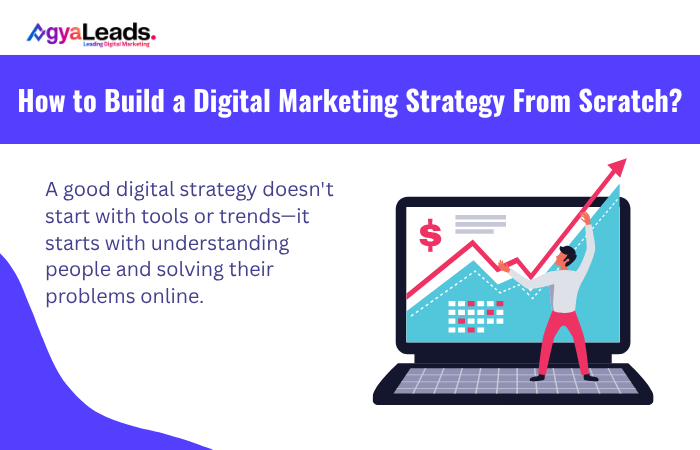
Before making a plan, it’s important to understand how digital marketing works today. The online space is always changing, and so are user behaviors, platforms, and technologies.
In 2025, here are some key trends shaping digital marketing:
- AI tools are now widely used for content creation, personalization, and automation.
- Privacy rules are stricter, which means brands must rely on first-party data instead of third-party cookies.
- Short-form videos on platforms like TikTok, Instagram Reels, and YouTube Shorts dominate attention.
- Generative search and AI assistants (like Apple Intelligence and ChatGPT) are changing how users find content.
- Trust, ethics, and transparency are more important than ever in marketing.
By understanding these changes, you can build a future-proof marketing strategy that truly connects with people.
Step 1: Research Your Market and Audience
To build a good strategy, start by understanding who you’re talking to and what’s already happening in your space. This step builds the foundation for everything else.

How to do it:
- Market research: Look at trends in your industry, the size of your market, and what customers expect. Tools like Google Trends, Statista, and industry reports can help.
- Customer personas: Create profiles of your ideal customers. What do they care about? Where do they spend time online? What problems do they face?
- Competitor analysis: Check what your competitors are doing—what platforms they use, the kind of content they share, and what their audience engagement looks like.
- Audit your own assets: Review your website, social media profiles, email lists, and analytics data. What’s working? What’s missing?
Example: If you’re starting a skincare brand, you might find that your audience (mostly women aged 25–40) prefers natural products and spends a lot of time on Instagram and YouTube looking for reviews and DIY routines.
Step 2: Set Clear Goals and KPIs
Once you know your audience, it’s time to set goals. These goals will give direction to your marketing and help you track your progress.
Keep your goals SMART:
- Specific: “Grow Instagram followers” is vague. “Grow Instagram followers by 5,000 in 6 months” is better.
- Measurable: You need to track success with numbers.
- Achievable: Set realistic targets based on your resources.
- Relevant: Goals should align with your business needs.
- Time-bound: Set deadlines for each goal.
Common digital marketing goals include:
- Grow your email list to 10,000 subscribers
- Reduce cost per lead (CPL) through Facebook Ads
- Improve conversion rate on your product landing page
These goals will help you focus on outcomes instead of just activities.
Step 3: Choose the Right Channels and Approach
There are many digital marketing channels. Your job is to choose the ones that your audience uses and that support your goals.
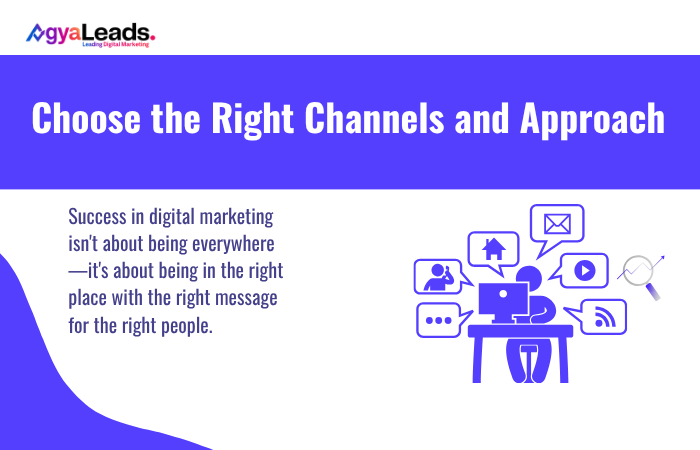
Popular digital channels include:
- SEO and content marketing: Helps you attract organic traffic through blogs, guides, videos, and product pages.
- Social media marketing: Great for building brand awareness and community engagement.
- Email marketing: Good for nurturing leads and retaining customers.
- Paid ads (PPC): Use Google Ads, Facebook, and Instagram Ads to quickly drive traffic or sales.
- Influencer marketing: Collaborate with creators your audience already follows and trusts.
- Video marketing: Use short videos, tutorials, or product demos to grab attention and explain benefits.
Example: If you’re launching an eco-friendly shampoo, Instagram Reels showing real users using the product might work better than long-form blog content alone.
Step 4: Build Your Content Plan
Now that you know your channels, it’s time to plan your content. Content is what people see, interact with, and remember.
How to plan your content:
- Start with themes: Think about topics your audience cares about. For a wellness brand, these could be self-care, clean ingredients, or morning routines.
- Decide content types: Blog posts, videos, podcasts, reels, infographics, email newsletters, etc.
- Create a content calendar: Plan posts weekly or monthly. Be consistent, but flexible enough to add trending topics.
- Use storytelling: Tell real stories of your customers or your brand journey. This builds trust and relatability.
Example: A small travel agency could post weekly Instagram stories about hidden gems in local cities, plus longer blog posts that rank on Google for “offbeat travel destinations.”
Step 5: Allocate Your Budget and Tools
Every marketing effort needs resources—time, money, and tools. Whether you’re a startup or a growing business, plan what you’ll spend and what tools you need.
Things to consider:
- Budget by channel: Allocate more to high-impact channels. For startups, content + email + social ads might be the best mix.
- Invest in tools: SEO (Ahrefs, Semrush), email marketing (Mailchimp, ConvertKit), social schedulers (Buffer, Later), analytics (Google Analytics, Hotjar).
- Team or freelancers: Decide if you’ll need writers, designers, ad managers, or use freelancers or agencies.
Remember, it’s okay to start small. A budget of $500–1000 per month can still get good results if spent wisely.
Step 6: Launch Campaigns and Test Small
With your plan ready, it’s time to go live. But don’t try to do everything at once. Start with small tests, see what works, and scale from there.
Good practices when launching:
- Pilot campaigns: Launch one Facebook ad campaign, one email sequence, or one content series first.
- Monitor closely: Watch metrics like click-through rate (CTR), engagement, conversions, and bounce rates.
- Be ready to adapt: If a campaign flops, change the messaging, visuals, or audience targeting.
- Get feedback: Ask your audience what they liked or didn’t. Use surveys, polls, or direct messages.
Example: An e-commerce site selling handmade jewelry can run a 7-day Instagram campaign showing customer stories, then retarget website visitors with a 10% discount ad.
Step 7: Track Performance and Optimize
The final and most important step is measuring results and improving your strategy over time. No campaign is perfect on day one.
Key tips for optimization:
- Use analytics tools: Google Analytics, Facebook Ad Manager, and email dashboards help you track key metrics.
- Review monthly: Are you closer to your goals? What worked? What didn’t?
- A/B test regularly: Try different ad creatives, email subject lines, blog formats, etc.
- Learn and adapt: Use what you learn to update your tactics, change direction if needed, or invest more in what works.
Example: If your YouTube channel sees more views on tutorial videos, make more of those instead of generic content.
Building Trust, Ethics, and Long-Term Brand Loyalty
With AI and automation becoming more common, it’s easy to forget the human side of digital marketing. But people still care about real values, honest communication, and transparency.
Make sure your strategy includes:
- Clear privacy practices: Ask users for permission, use clean data practices.
- Authentic content: Share real experiences, not overly polished marketing.
- Inclusive messaging: Speak to different audiences with respect.
- Consistency: Be reliable in your tone, posting schedule, and brand values.
Brands that win long-term are the ones people trust, not just the ones with big ad budgets.
Conclusion
If you’re wondering how to build a digital marketing strategy from scratch, start by understanding your market, setting clear goals, picking the right channels, and creating a content plan.
Stay flexible, test your ideas, track your results, and never stop learning.
Use this guide as your starting point. Whether you’re a startup owner, marketing freelancer, or small business manager, this structure will help you create a strategy that works in 2025 and beyond.
By focusing on real value, honest communication, and strategic content, you’ll build a digital presence that not only attracts people but keeps them coming back.
FAQs
What is a digital marketing strategy and why is it important?
A digital marketing strategy is a step-by-step plan to promote your business online using channels like SEO, social media, content, and email. It’s important because it helps you target the right audience, build trust, and grow your business in a structured, measurable way.
How do I start building a digital marketing strategy from scratch?
Start by researching your audience, setting clear goals, choosing the right platforms (like SEO or social media), and planning your content. Then, test small campaigns, track results, and improve based on performance. Focus on real user needs and keep your messaging simple and consistent.
What are the key steps to build a digital marketing strategy from scratch?
Research your audience and competitors
Set clear and measurable goals
Pick the right marketing channels
Create a content and ad plan
Launch small test campaigns
Monitor results and optimize
Each step builds on the last to ensure steady and smart growth.
How much budget do I need to start digital marketing?
You can start with as little as $100–$500 per month using free tools and low-cost ads. Focus on content marketing, email marketing, and social media first. As you grow, increase your budget for paid ads and tools like SEO software or automation platforms.
How do I choose the best platform for my digital marketing?
Choose platforms based on where your target audience is active. For visual content, use Instagram or TikTok. For professional services, try LinkedIn. For search-driven traffic, focus on SEO and Google Ads. Always test platforms to find what works best for your niche.
Can I build a digital marketing strategy without hiring an agency?
Yes, you can build a digital marketing strategy from scratch without hiring an agency. Use free tools like Google Analytics, Mailchimp, and Canva. Learn from tutorials and focus on one channel at a time. As you grow, you can invest in professional help.
Is content really important in digital marketing strategy?
Yes, content is the heart of digital marketing. It helps you rank on Google, educate your audience, build trust, and convert visitors into customers. Use blogs, videos, guides, and social posts to provide real value.
What is the role of SEO in building a digital marketing strategy?
SEO (Search Engine Optimization) helps your content show up on Google when users search. It drives free, long-term traffic. A strong SEO plan includes keyword research, helpful content, proper page setup, and link building.
Can AI tools help me build a digital marketing strategy from scratch?
Yes, AI tools like ChatGPT, Jasper, or HubSpot’s AI features can help with content writing, keyword ideas, data analysis, and automation. But human review is still important to keep your messaging clear, personal, and aligned with your brand.