The Human Touch in an AI World and Why Storytelling is Your Ultimate Competitive Edge is more than just a thoughtful idea—it’s the secret ingredient that sets real connections apart in today’s fast-paced, automated world.
While artificial intelligence can write content, manage tasks, and speed things up, it often misses what truly matters: emotion, meaning, and human experience.
If you’ve ever felt like online content sounds too robotic or lacks depth, you’re not alone.
This article will show you why storytelling, guided by your own voice and values, is the most powerful way to stand out.
Keep reading to discover how staying human in an AI-powered world can not only build trust but also create lasting impact with your audience.
The Human Touch in an AI World: Why Storytelling is Your Ultimate Competitive Edge
We live in a world where artificial intelligence is becoming a part of our everyday life.
It writes emails, builds content, answers queries, and even makes marketing decisions.
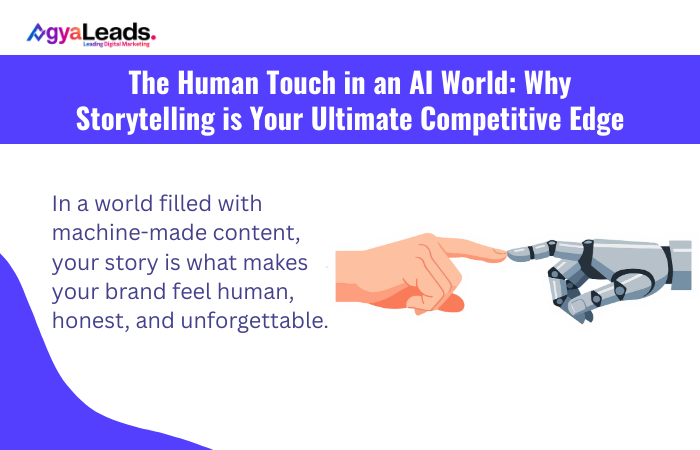
But in the middle of all this speed and automation, something deeply human still stands out: storytelling.
People are not only looking for quick answers anymore. They are searching for meaning, emotion, and honesty.
While AI can help with speed and structure, it cannot replace the emotional depth that only humans can bring.
That’s why the human touch in an AI world is not just important—it’s your greatest competitive edge.
Why People Remember Stories More Than Facts
We are wired to connect through stories. Long before we had technology, humans used storytelling to share knowledge, teach lessons, and build communities.
Our brains don’t just process stories—they feel them.
When we hear a personal story, it creates an emotional response. It helps us relate to someone else’s experience.
That emotional connection is what makes a brand or message memorable.
A company could say they reduce customer service time by 30%, or they could share how a mother finally had a stress-free return process when shopping for her newborn.
The story leaves a stronger impression because it’s real and human.
AI Can Generate Content, But It Lacks Emotion
AI is excellent at organizing words, summarizing data, and writing quickly.
But it doesn’t feel joy, sadness, fear, or hope. It doesn’t know what it’s like to fail, to try again, or to care deeply about a cause.
When content is created only by AI, it may be grammatically perfect—but it often lacks soul.
There’s no life behind the words. That’s why content written with a human voice still feels different. It carries emotion, values, and intent.
For instance, a travel website can list the top five destinations in winter.
But when a writer shares how visiting a small mountain village during snowfall helped them reconnect with family, it becomes something people remember and trust.
Storytelling Builds Trust in the Digital World
Trust has become one of the most valuable currencies online. With so much content and advertising everywhere, people are more cautious.
They want to know who they’re buying from, and why that business exists in the first place.
Sharing honest, real-life stories builds trust faster than sales language ever can.
When a small business talks about how it started from a single idea in a rented room, or how a founder took a risk to solve a problem they once faced, it makes people feel connected.
This sense of trust doesn’t come from polished ads. It comes from honest storytelling—something AI can’t replicate on its own.
Read More:
A No-Nonsense Guide to Using AI for SEO That Actually Works in 2026
Emotional Connection Is Your Unique Advantage
In a market where competitors have access to the same tools, products, and strategies, the emotional side of your brand becomes your strongest asset.
Your journey, your values, and your way of seeing the world cannot be copied.
A coffee brand might have dozens of rivals. But if they share how they work directly with local farmers, how their founder grew up in a tea-loving family and found peace in brewing coffee, or how customers say it reminds them of home, it stands out.
Those emotional details create lasting loyalty. Customers don’t just buy the product—they become part of the story.
AI Should Support Your Voice, Not Replace It
There’s nothing wrong with using AI tools. In fact, they can save time and help with research, formatting, and planning.
But they should assist your creative process, not take over your message.
Let AI:
- Suggest outlines or blog ideas
- Help summarize large blocks of text
- Check grammar or spelling
But always let your human voice lead:
- Share personal lessons and stories
- Talk about your values and beliefs
- Explain your vision with feeling
The perfect balance is when AI brings speed, but humans bring soul.
Storytelling Helps You Stand Out From the Crowd
When everyone is using the same technology, content often starts to sound similar.
That’s when storytelling makes the biggest difference. It gives your brand a unique voice.
Think about a fitness brand. One post might say: “Burn 300 calories in 30 minutes.”
Another might share how a working mom started using 20-minute home workouts and finally began feeling healthy again without sacrificing time with her kids.
The second post connects on a deeper level. That’s what makes storytelling so powerful.
Stories Create Communities, Not Just Customers
When people see your values and stories reflected in your content, they feel like they’re part of something meaningful.
They’re not just buying—they’re belonging.
This sense of community turns one-time customers into loyal supporters. They talk about your brand, share your content, and feel emotionally connected.
A skincare brand, for example, that shares the journey of real users who regained confidence after struggling with acne builds more than sales.
It builds emotional loyalty. And that’s something no AI-generated sales copy can create.
The Power of Sharing Imperfect, Honest Journeys
Many creators or business owners feel like their story isn’t exciting enough to share. But in truth, the most relatable stories are the simple, honest ones.
You don’t need a dramatic rise from poverty to success. Just talk about the time your first product didn’t sell.
Or how your team struggled to meet a deadline but learned something along the way.
Or the small moment a customer thanked you and it changed your perspective.
These real, imperfect stories feel more human than any polished campaign. And they build the emotional connection your audience is looking for.
Marketing That Feels Real Works Better
Today’s consumers can sense when something is scripted. They scroll past perfect ads but pause when something feels personal.
That’s why marketing built on real human experiences cuts through the noise.
A founder sharing their story on a social media post often gets more engagement than a paid ad.
A brand talking about a behind-the-scenes failure may build more trust than a flashy launch campaign.
People are hungry for content that feels like it was written by a real person. That’s why storytelling isn’t just powerful—it’s necessary.
How to Make Storytelling Part of Your Strategy
To use storytelling as your edge, start small and stay honest. You don’t need long, emotional blog posts. Even short stories can make a big impact.
Try these ideas:
- Share what inspired you to start your brand
- Talk about a turning point in your journey
- Highlight a real customer’s experience
- Let your team members share their stories
- Post behind-the-scenes moments that reflect your values
Keep the tone conversational and real. People will respond more to your truth than to your perfection.
The Future Belongs to Human-Centered Brands
AI will keep evolving, and it will keep helping us do more in less time. But the more AI takes over tasks, the more valuable the human touch becomes.
People want to feel seen, understood, and connected. Brands that bring that connection will lead the future—because they won’t just be selling products. They’ll be creating meaning.
Whether you run a startup, a personal brand, or a global business, your story matters.
It’s what people will remember, trust, and share. The human side of your brand is what makes it different.
Final Thoughts
The human touch in an AI world is no longer just a nice idea—it’s your strongest competitive edge.
While AI can help you do more, it’s your stories, values, and voice that help you stand out.
When you speak from experience and share real emotions, your content becomes more than words.
It becomes a connection. And in a time where everyone is using machines to talk, the ones who speak with heart will always be remembered.
If you want your audience to care, to remember, and to trust you, lead with your story. That’s what brings your brand to life. That’s what keeps it human in an AI-driven world.
FAQs
What does “the human touch in an AI world” mean?
The human touch in an AI world refers to the emotional, personal, and creative qualities that only humans can offer—like empathy, storytelling, and lived experience. While AI provides efficiency, it’s the human connection that builds trust and lasting relationships in business and communication.
Why is storytelling important in an AI-driven world?
Storytelling creates emotional connection, builds trust, and makes brands memorable. In an AI-driven world where content is everywhere, human stories stand out by adding depth, values, and meaning—something AI alone can’t deliver.
How can storytelling give you a competitive edge?
Storytelling gives you a competitive edge by showing your unique journey, values, and purpose. It turns information into experience, making your brand relatable and trustworthy. In a crowded digital space, authentic stories make you stand out.
Can AI write effective stories like humans?
AI can create structured content, but it lacks real emotion, empathy, and personal experience. While AI can support writing, only humans can tell heartfelt stories that reflect truth, struggle, and inspiration—key ingredients of compelling storytelling.
How does storytelling impact brand trust?
Storytelling builds brand trust by showing honesty, vulnerability, and real-life situations. When people see the faces, feelings, and values behind a brand, they’re more likely to connect emotionally and stay loyal over time.
How can businesses balance AI use with human storytelling?
Use AI for research, structure, or content drafts, but always add human storytelling to share values, purpose, and emotion. Let AI support your voice, not replace it. The best results come from blending AI efficiency with human insight.
What makes human storytelling better than AI-generated content?
Human storytelling brings real emotion, lived experience, and ethical judgment. Unlike AI, humans can express vulnerability, cultural context, and deep values—elements that make stories feel real and memorable to audiences.
Why is emotional connection key in digital communication?
Emotional connection makes messages relatable and trustworthy. In digital spaces filled with AI content, emotional storytelling helps your audience feel seen and understood, which leads to deeper engagement and stronger relationships.