What is Digital Marketing and its importance? It’s something many people are curious about these days—and it’s easy to see why. We spend so much time online, whether it’s watching videos, scrolling social media, or searching for things we need.
But have you ever wondered how brands show up exactly where you are? That’s the magic of digital marketing. From YouTube ads to Instagram posts and Google search results, it’s happening all around us.
In this guide, we’ll break it down in simple words, share real-life examples, and show you how digital marketing works—and why it matters so much for any business today.
What is Digital Marketing and Its Importance? A Beginner-Friendly Guide to Online Success
Digital marketing has become the heart of modern business. Whether you’re a small business owner, freelancer, student, or entrepreneur, understanding digital marketing can change how you connect with people and grow your brand.
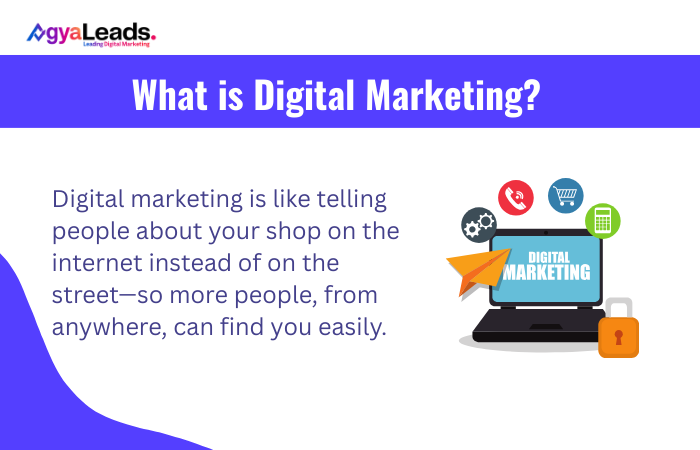
It’s more than just putting ads online—it’s about building relationships, solving problems, and reaching your audience where they spend most of their time: on the internet.
In simple terms, digital marketing means promoting your products or services through digital channels like search engines, websites, social media, email, and mobile apps.
From posting a blog to running an Instagram ad, all of it falls under this umbrella.
Let’s explore what digital marketing is, why it matters, the different types, and how it works—with simple explanations and real-life examples.
Why is Digital Marketing Important Today?
Before we dive into the types of digital marketing, it’s important to understand why it plays such a big role in today’s world.
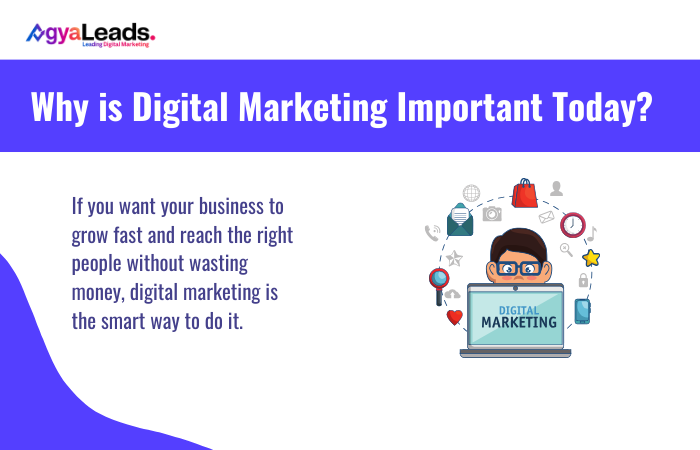
Traditional methods like print ads or billboards are often expensive, less targeted, and harder to measure. In contrast, digital marketing is faster, smarter, and more personalized.
Here’s why digital marketing is essential for modern businesses:
- It allows you to reach a global audience with a small budget.
- It gives you tools to target specific age groups, locations, or interests.
- It provides real-time data to see what’s working and what’s not.
- It helps build trust and engagement through direct communication.
For example, a local yoga studio can use Facebook ads to attract women aged 25-40 within 10 km of their location. This level of targeting would be impossible with a newspaper ad.
Main Types of Digital Marketing
Digital marketing is made up of several different strategies. Each has its own purpose and benefits, and many businesses use a mix of them to get the best results. Let’s take a look at the major types, along with examples and how they work.
Search Engine Optimization (SEO)
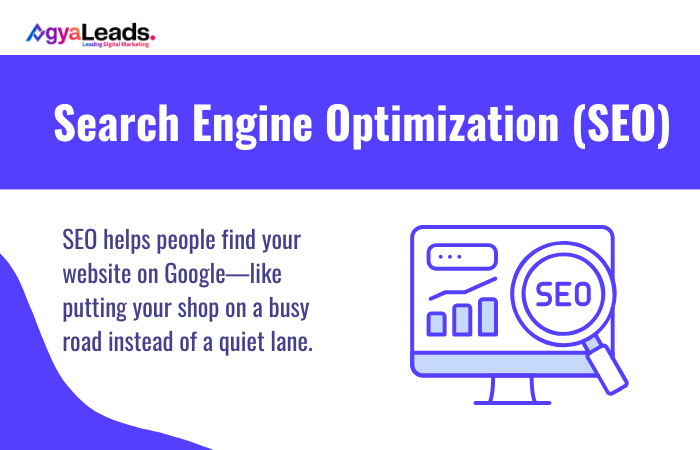
Search Engine Optimization, or SEO, is the process of improving your website so it shows up higher on Google when people search for something related to your business.
SEO focuses on:
- Using relevant keywords (like “best laptop under 40000”).
- Writing helpful, high-quality content.
- Improving site speed and mobile-friendliness.
- Getting backlinks from other trusted websites.
For example, a food blog that ranks on the first page for “easy Indian dinner recipes” will get thousands of visitors without spending money on ads. SEO brings long-term, organic traffic and builds trust with your audience.
Content Marketing
Content marketing is all about creating useful content that answers your audience’s questions and helps them solve problems. Instead of selling directly, you educate and build trust.
Content can include:
- Blog posts and articles
- Videos and tutorials
- Infographics and guides
- Podcasts and ebooks
Let’s say you run an online skincare brand. Writing a blog on “How to Choose Sunscreen for Oily Skin” will help you attract people looking for answers. As they read and learn, they begin trusting your brand—and may eventually buy your product.
Social Media Marketing
Social media is one of the most powerful tools for digital promotion. Platforms like Instagram, Facebook, Twitter (X), LinkedIn, and TikTok allow brands to share content, run paid ads, and interact with their audience directly.
It helps businesses:
- Build a loyal following
- Promote new products or events
- Share behind-the-scenes content
- Collect feedback and reviews
For example, a café can post daily stories showing how coffee is made, or a fashion brand can collaborate with influencers to showcase their latest collection. This human connection creates deeper engagement and brand loyalty.
Email Marketing
Email marketing may seem old-fashioned, but it’s still one of the most effective ways to build relationships and drive sales. It involves sending targeted emails to people who have signed up or shown interest in your brand.
Common uses include:
- Welcome emails for new users
- Newsletters with updates or tips
- Product recommendations based on behavior
- Cart abandonment reminders
An ecommerce store, for instance, can send a 10% discount coupon to users who added items to their cart but didn’t complete the purchase. This gentle reminder often increases conversions.
Pay-Per-Click Advertising (PPC)
PPC is a paid form of internet advertising where you only pay when someone clicks on your ad. The most popular platform is Google Ads, but social platforms like Facebook and LinkedIn also offer PPC options.
It’s great for:
- Driving quick traffic to a new website or landing page
- Promoting time-sensitive offers
- Competing in high-demand niches
For example, a real estate agent in Bangalore can run a Google ad for “2BHK flats in Whitefield” and appear at the top of search results. It’s a fast way to reach potential buyers actively searching for what you offer.
Affiliate Marketing
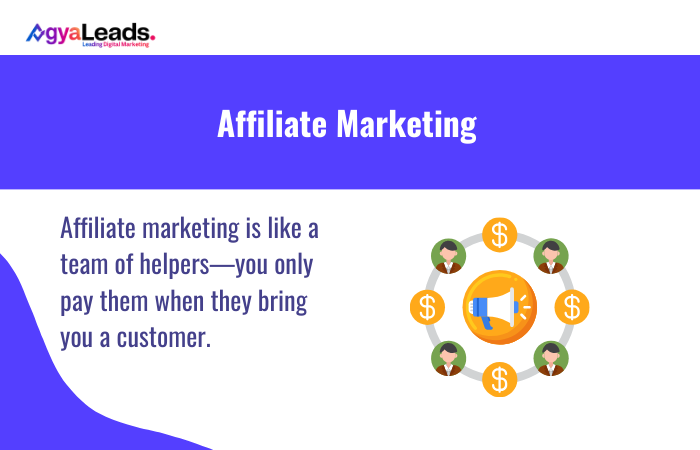
Affiliate marketing means partnering with individuals or websites who promote your product in exchange for a commission. You pay them only when they bring a sale or lead.
It works well for:
- Ecommerce businesses
- Online courses or tools
- Influencer collaborations
Imagine you sell kitchen gadgets online. You can allow food bloggers to promote your blender, and for every sale they generate using their referral link, they earn a percentage. It’s a win-win for both parties.
Influencer Marketing
Influencer marketing involves collaborating with individuals who have a large, loyal following. These influencers can promote your brand through their social media platforms or blogs.
This is effective because:
- It feels authentic to followers
- It builds social proof
- It increases brand awareness
A beauty brand, for instance, can work with a popular makeup artist on YouTube who reviews their new lipstick range. Followers are more likely to trust the recommendation because they already follow the influencer.
Mobile Marketing
With more people accessing the internet on their phones, mobile marketing ensures your campaigns are optimized for small screens.
It includes:
- SMS campaigns
- Mobile-friendly websites
- In-app ads and push notifications
For example, a fitness app might send a motivational push notification like “Don’t forget your 15-minute workout today!” to encourage daily use. It keeps users engaged and improves retention.
Benefits of Digital Marketing
Now that you know the types, let’s look at the biggest benefits of using digital marketing to grow your brand or business.
Cost-Effective for All Sizes
Even with a small budget, you can run targeted campaigns and measure their success. Digital marketing levels the playing field between startups and big companies.
Real-Time Tracking and Analytics
Unlike traditional ads, you can track every click, impression, and conversion. Tools like Google Analytics show what’s working, so you can adjust campaigns as needed.
Improved Targeting and Personalization
Digital platforms allow you to reach the right people. You can send a different message to a college student in Delhi and a working mother in Mumbai—based on their interests, browsing behavior, and location.
Builds Long-Term Relationships
By regularly sharing valuable content and engaging with your audience, you’re not just selling—you’re building a community. Loyal customers are more likely to refer others and buy again.
How Does Digital Marketing Actually Work?

To simplify it, here’s how the digital marketing journey usually works:
- Attract: Use SEO, blog content, or social media posts to bring people to your website.
- Engage: Offer helpful content or free tools to keep visitors interested.
- Convert: Use strong calls-to-action, offers, and landing pages to turn visitors into leads or customers.
- Retain: Follow up with email newsletters, loyalty programs, or social media updates to keep them coming back.
- Grow: Encourage satisfied customers to leave reviews, refer others, or upgrade to premium products.
A freelance graphic designer, for example, can use Instagram to showcase their work (attract), offer a free guide on choosing brand colors (engage), provide a simple contact form (convert), and send monthly design tips via email (retain).
Final Thoughts
Digital marketing is not just a trend—it’s the foundation of modern business growth. It combines the power of SEO, social media, email, content, and paid advertising to help brands connect with their audience in meaningful ways.
Whether you’re a local shop owner or running an online business, learning how to use digital marketing tools can change the future of your brand.
By focusing on helpful content, clear communication, and consistent engagement, anyone can succeed in the world of online marketing. So if you’ve ever wondered, “What is digital marketing and how do I start?”—this guide is your first step toward mastering the digital world.
What is digital marketing in simple words?
Digital marketing means promoting products or services online using the internet. It includes tools like websites, social media, email, and search engines to reach people and grow a business.
Why is digital marketing important for businesses?
Digital marketing helps businesses connect with the right audience, build brand awareness, and increase sales—all at a lower cost compared to traditional methods. It also gives real-time data to track performance and improve strategies.
What are the main types of digital marketing?
The most common types of digital marketing include:
SEO (Search Engine Optimization)
Content marketing
Social media marketing
Email marketing
PPC (Pay-per-click advertising)
Influencer and affiliate marketing
Each type helps reach users in a different way.
How does digital marketing work?
Digital marketing works by using online platforms to attract visitors, engage them with content, and convert them into customers. Businesses use SEO, ads, emails, and social media to guide people through this journey.
Is digital marketing better than traditional marketing?
Yes, in many cases. Digital marketing is more targeted, cost-effective, and easier to measure. It allows businesses to reach people directly through their phones, computers, or tablets—anytime, anywhere.
Can I learn digital marketing without a degree?
Yes. You don’t need a degree to learn digital marketing. Many people start through online courses, tutorials, and practice. With time and real experience, you can become a skilled digital marketer.
What is SEO in digital marketing?
SEO (Search Engine Optimization) is a method used in digital marketing to help websites rank higher on search engines like Google. It brings free, organic traffic by using keywords and improving website quality.
Is digital marketing good for small businesses?
Absolutely. Digital marketing allows small businesses to compete with big brands by targeting local customers, building trust, and promoting their services online without a large budget.
How much does digital marketing cost?
Costs vary. Some digital marketing strategies, like SEO or social media posts, are free if you do them yourself. Paid ads like Google or Facebook ads can start with small budgets and scale as needed.